

Rhinoplasty is a cosmetic plastic surgery procedure designed to change the function and appearance of your nose. A rhinoplasty procedure can address cosmetic concerns, breathing difficulties, or both. However, some people seek additional treatment after their first rhinoplasty if their results do not meet their expectations or functional concerns remain.
The human nose is a complex structure that packs an abundance of blood vessels, nerves, cartilage, and tissue into a small area. Understanding nasal anatomy is essential when performing facial plastic surgery, particularly when a previous surgery has altered the nose’s structure. REVISIONAL SURGERY may be considered when concerns persist after a primary procedure. If you are considering additional treatment after prior nasal surgery, here is what to know.
What is Revision Rhinoplasty?
Revision rhinoplasty surgery, also called corrective rhinoplasty or a revision nose job, is a secondary surgery performed to address cosmetic or functional concerns following previous rhinoplasty surgery. Changes during healing or structural issues after the initial surgery may affect both the appearance and function of the nose. For example, revision rhinoplasty patients may want to refine the nasal tip, correct asymmetry, or address nasal obstruction that remains after the original rhinoplasty. Persistent nasal congestion also warrants evaluation after the initial rhinoplasty to determine whether structural problems or other conditions are contributing.
A revision procedure can be more complicated than the primary surgery because scar tissue and changes from prior surgery may limit the tissue available for reconstruction. Alterations to the nasal septum during the initial procedure can also affect surgical planning. In some cases, cartilage grafting using ear or rib cartilage is needed to restore support following previous nose surgery.
During a revision rhinoplasty consultation, your surgeon will review your concerns, examine your nose, and discuss records from your prior rhinoplasty when available. Choosing an experienced revision rhinoplasty surgeon, including evaluating whether they are double board certified in relevant specialties, can help you assess their qualifications. A successful revision rhinoplasty depends on factors such as tissue quality, healing, surgical planning, and realistic expectations.
Secondary rhinoplasty is often performed as an outpatient procedure, although the surgical setting depends on the complexity of treatment and your health needs. The recovery period varies, and most patients should expect swelling to improve gradually, with final refinement taking a year or longer.
When Do I Need a Revision Nose Job with a Facial Plastic Surgeon?
Each patient’s reasons for pursuing revisional rhinoplasty will be different. However, some potential reasons for considering revision rhinoplasty can include:
-
Correcting asymmetries created during the primary rhinoplasty.
-
Correcting scarring that forms with improper healing.
-
To correct obstruction that causes breathing difficulties.
-
To remove extra cartilage.
-
To correct where too much bone or cartilage was removed.
What Does Revision Rhinoplasty Look like Versus Normal Rhinoplasty?
Depending on the results of your previous nose job, revision rhinoplasty can be extremely complicated. Most often, revision rhinoplasty requires cartilage for supporting the tip or the bridge of the nose. If there’s not enough septal cartilage, your plastic surgeon may need to graft cartilage from other body parts such as the ear or rib. If you have scarring on your nose, the surgeon may need to use skin grafts to correct the distorted nasal airway.
Considering revision rhinoplasty, it is important to know that no ethical rhinoplastic surgeon can guarantee an excellent outcome. If you are considering having this surgery, make sure to schedule an appointment with a board-certified and experienced facial plastic or plastic surgeon who specializes in revisional rhinoplasty surgery.
Recovery Process
The recovery process of revision rhinoplasty is almost like that of primary rhinoplasty surgery. You may experience some degree of swelling that takes longer to resolve than for primary rhinoplasty. After surgery, you may also experience temporary numbness at the tip of the nose and bruising that resolves within a couple of weeks. Revision rhinoplasty results will improve over several months, and you can expect results after 12-24 months.
Schedule a Consultation
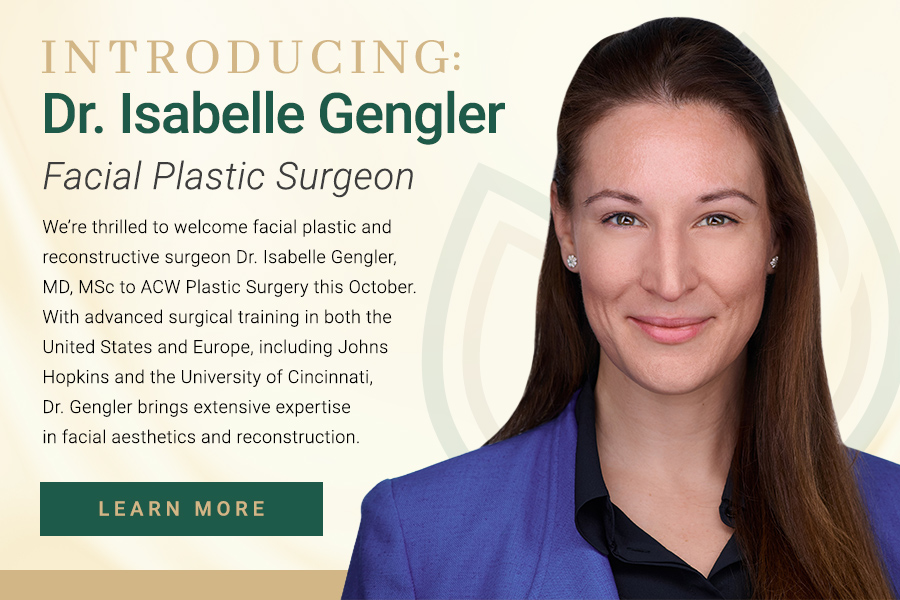
Revision rhinoplasty is a highly complex procedure that requires the expertise of a BOARD-CERTIFIED AND EXPERIENCED SURGEON. At Aesthetic Center at Woodholme, you’ll want to meet with DR. THEDA KONTIS, DR. IRA PAPEL, or DR. ISABELLE GENGLER to start your revisional rhinoplasty journey. To meet with our board-certified surgeons and learn more about your rhinoplasty options, we invite you to contact our Pikesville office by calling or FILLING OUT OUR ONLINE FORM. Dr. Isabelle Gengler, a Johns Hopkins fellowship-trained facial plastic surgeon who trained under Drs. Papel and Kontis, brings a refined European aesthetic to rhinoplasty. She is trained, accredited, and experienced in both the United States and her native France, and she was the first French otolaryngologist to obtain European Board Certification.
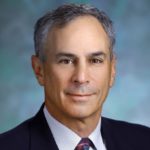
Dr. Ira D. Papel is certified in Head and Neck Surgery. Dr. Papel earned his B.A. from Johns Hopkins University and his M.D. from Boston University of Medicine. He completed a residency at the Johns Hopkins Hospital in Otolaryngology-Head and Neck Surgery and a fellowship at the University of California, San Francisco in Facial Plastic and Reconstructive Surgery. Dr. Papel is considered an international expert in rhinoplasty, revision rhinoplasty, and facial aesthetic surgery.