

FRACTIONAL LASER RESURFACING uses high-frequency light pulses to encourage the growth of new collagen fibers and set back the skin’s aging process. Fractional laser resurfacing treatment has been used for many years as an alternative to surgery for people who want to improve their aging skin’s texture and appearance. Fractional lasers are a good treatment for large surface areas and can produce more uniform outcomes than dermabrasion. Fractional resurfacing can be done under local anesthesia for smaller areas but usually requires general anesthesia for treatments of the entire face.
Top 5 Things to Know When Considering Fractional Laser Resurfacing
1: Recovery Period
The recovery period for fractional laser resurfacing is shorter than that of traditional treatments. You will experience some scabbing, oozing, and crusting for the first few days after the procedure. This will be followed by redness, dryness, and peeling, but it should be minimal and will subside in a week or so. The mild redness can sometimes last longer as healthy skin cells are resurfaced. It is important to protect your healing skin from sun exposure during this time. Use a broad-spectrum sunscreen with an SPF of 50 or higher after treatment and wear a sun hat if you plan to be outside for long periods during the day.
2: Fractional Laser Skin Resurfacing Is a Scarless Treatment
Fractional resurfacing uses advanced laser technology to create microscopic treatment columns while leaving portions of the surrounding skin intact. Unlike cosmetic surgery, it requires no incisions and does not typically create surgical scars. The laser targets a precise layer of skin, limiting damage to the surrounding tissue while activating the body’s natural healing process. As the skin heals, healthy new skin develops and supports natural skin rejuvenation.
3: Laser Skin Resurfacing Has a Wide Range of Benefits
CO2 ablative laser treatments use concentrated laser light to address fine lines and wrinkles, acne scars, sagging skin, deep wrinkles, uneven skin tone, roughness, and sun damaged skin. The treatment removes part of the outer layer, refreshes the skin surface, and tightens skin by promoting collagen production. Compared with traditional ablative lasers, fractional devices treat only a portion of the skin at a time, which can support faster recovery and improved skin texture.
4: Safety of Fractional Resurfacing
Fractional resurfacing is more intensive than many non-invasive cosmetic treatments, so it should be performed under appropriate medical supervision. A board-certified cosmetic surgeon will examine your skin type, medical history, and concerns to determine whether treatment is appropriate. Special care may be needed for darker skin because of the increased risk of pigment changes. After treatment, patients should follow proper skin care, protect the treated skin, and avoid sun exposure while the treated area recovers.
5. Cost of Fractional Laser Treatment
The cost of fractional laser resurfacing varies from person to person because multiple factors are involved in the decision-making process. The cost highly depends on the treatment location, the size of the treatment area, and the device being used.
Schedule a Consultation
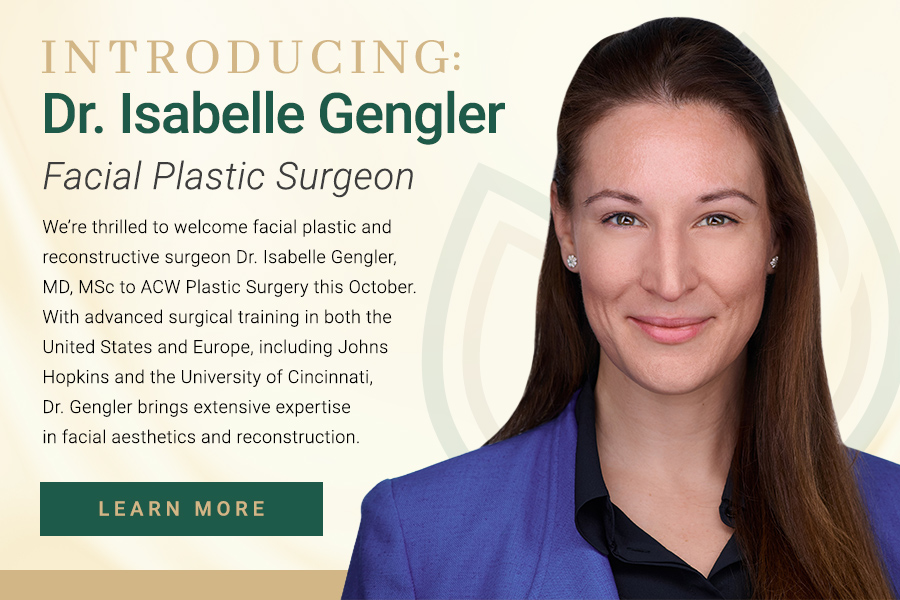
Restore your youthful appearance with CO2 fractional laser resurfacing in Baltimore by calling our office or BOOKING ONLINE. Drs. Papel, Kontis, Quan, and Gengler at the Aesthetic Center at Woodholme are highly skilled and experienced plastic surgeons who will help you determine the best treatment plan for your individual needs and treatment goals. Dr. Isabelle Gengler, who trained under Drs. Papel and Kontis as a Johns Hopkins facial plastic surgery fellow, favors subtle, natural-looking enhancement inspired by European techniques. She holds the unique qualification of being trained, accredited, and experienced in both the U.S. and France, and was the first French otolaryngologist to obtain European Board Certification.